


What is hepatitis B?

Acute hepatitis B

- Acute hepatitis B is when a person gets rid of (clears) the virus within 6 months. Once they clear it, they cannot get hepatitis B again and cannot pass it on to others.
Chronic hepatitis B

- Chronic hepatitis B is when the infection lasts for more than 6 months. Chronic hepatitis B can lead to liver damage (cirrhosis) and liver cancer.
Hepatitis B is common in our communities. Most people living with chronic hepatitis B in Australia were born in countries where hepatitis B is very common. In Australia, there are over 222,000 people who have chronic hepatitis B. More than one in four people (27%) with chronic hepatitis B don’t know they have it. This is because they may not have any symptoms, or it may take several years for the symptoms to appear.
What are the Symptoms of hepatitis B?
Most people have no symptoms when they first get hepatitis B. If there are symptoms, they usually take about 2 to 3 months to develop. The symptoms may include:
Acute hepatitis B symptoms

Abdominal (stomach) pain

Dark urine
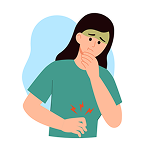
Nausea, vomiting or loss of appetite (not feeling hungry)

Yellow skin and eyes (jaundice)

Pale stools

Fatigue
Symptoms can last from a few days to a few weeks and may get better without treatment. However, this doesn’t mean that the virus has gone. Even when there are no symptoms some people will go on to have chronic (long-term) hepatitis B which can cause serious liver damage.
Just like acute hepatitis B, people with chronic hepatitis B may not have any symptoms. Others may have symptoms including:
Chronic hepatitis B symptoms

Abdominal (stomach) pain on the right side of your body

Aches, pains and fevers

Anxiety or depression

Dry eyes and dry mouth

Fatigue and sleep problems

Nausea, vomiting or loss of appetite (not feeling hungry)

Yellow skin and eyes

Diabetes


 BACK
BACK