

Preventing HIV
If you are living with HIV

If you are living with HIV, taking HIV medication is the best way to prevent passing HIV onto other people. Taking your medication without missing a dose will make your viral load undetectable. Having an undetectable viral load means you cannot pass HIV to other people. The only way to know if you have an undetectable viral load is through an HIV viral load test or HIV RNA test from your doctor.
Taking medication (PrEP) before play
What is PrEP?
Pre-Exposure Prophylaxis (PrEP) is a way of protecting yourself from getting HIV, by taking HIV medication prescribed by a doctor. You can choose to take the HIV medication as a pill or as an injection.
PrEP is very effective at preventing HIV. As a study shows, when taking PrEP as prescribed, the chance of getting HIV is less than 0.2%.
If you choose to take PrEP pills, you can take the pill daily, on-demand (when needed), or periodically (from time to time). All of these are effective in preventing HIV. Find out which works best for you using the PrEP dosing frequency tool.
Another option is injectable PrEP, which is as effective as the pills. Injectable PrEP provides longer protection. You only need to go for an injection every two months.
PrEP does not stop you from getting other sexually transmitted infections (STIs), so it is still important to use condoms to help you avoid getting other STIs.
Who is PrEP for?
PrEP is for people who are at risk of getting HIV. You may be at risk if you:
- are a man or transgender woman who has anal sex with men and does not always use a condom
- have a partner who is HIV positive, and you want to get pregnant
- have a partner who is HIV positive but does not have an undetectable viral load, and you don’t always use a condom
- are a person who injects drugs.
Talk to your doctor or Sexual Health Clinic to find out if PrEP is right for you. You can call the Sexual Health Infolink on 1800 451 624 or visit www.shil.nsw.gov.au. If you prefer to speak in your language, you can use the free interpreting service by calling the Translating and Interpreting Service (TIS) on 13 14 50 or visit www.tisnational.gov.au.
Does PrEP have side effects?
Most people on PrEP do not have any side effects.
Short-term side effects can include nausea, dizziness, headaches, tiredness, stomach cramps and diarrhoea. Usually, these stop after a few weeks. If they last longer you should talk to your doctor.
If you are taking PrEP your doctor will do a blood test every three months to check on your health.
Where can I get PrEP?
To get PrEP, you will need to see a doctor and get a prescription. You can get this from a general practitioner (GP) or Sexual Health Clinic.
If you have a Medicare card, you can get PrEP through the Pharmaceutical Benefits Scheme. This means you can buy PrEP pills from the chemist or get your injections at low cost.
You also have the option to buy it online from overseas at full cost once you have a prescription from your doctor.
What if I don’t have a Medicare card?
If you do not have a Medicare card, you will not be able to buy PrEP at low cost. If you have private health insurance this may pay for the cost of your medication and your visits to the doctor. Not all insurance policies are the same so check with your insurance company for what costs it will cover. You may also be able to import medication from overseas with an Australian doctor’s prescription.
Speak to your doctor or Sexual Health Clinic about how you get PrEP. You can call the Sexual Health Infolink on 1800 451 624 or visit www.shil.nsw.gov.au. If you prefer to speak in your language, you can use the free interpreting service by calling the Translating and Interpreting Service (TIS) on 13 14 50 or visit www.tisnational.gov.au.
You can also find more information and buy PrEP online here.
Taking medication (PEP) after play
Post-Exposure Prophylaxis (PEP) is when you take HIV treatments after you think you have come into contact with HIV to help protect you from getting it.
PEP is for anyone who thinks they may have HIV because they have:
- had sex without a condom
- shared needles or other equipment to inject drugs.
You should start taking PEP as soon as possible. It will only work if you take it within 72 hours after possible contact with HIV.
If your doctor thinks PEP is right for you, you will need to take it every day for 28 days. You can get PEP from sexual health clinics, doctors who specialise in HIV and hospital emergency departments.
Using condoms and lubricant
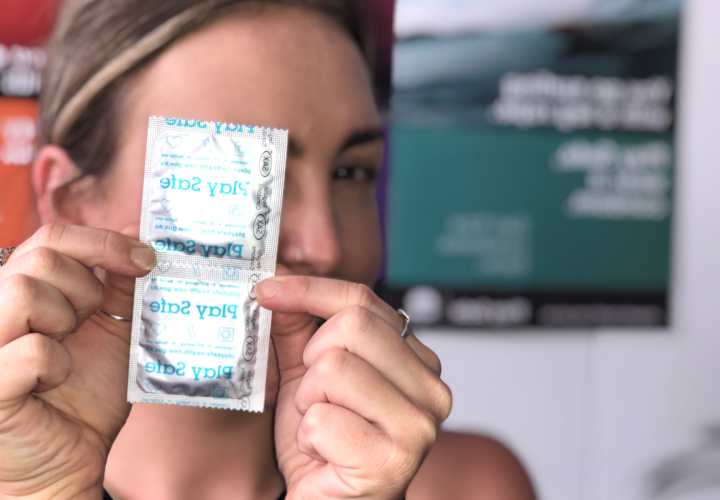
You can protect yourself and others from HIV and other sexually transmitted infections (STIs) by using condoms and lubricant.
You can buy them at chemists and supermarkets.
Learn how to use condoms.
Using clean equipment to inject drugs
Only using your own needles or new needles, syringes and other equipment is the best way to protect yourself and others from HIV.
Free needles and equipment are available from Needle and Syringe Programs (NSPs) and some chemists.

 BACK
BACK