

Sexually transmissible infections (STIs)
Sexually Transmissible Infections (STIs) are infections passed on during sexual activity with a person who already has an STI, if a condom or dental dam were not used. This includes vaginal (penis in vagina), anal (penis in anus) and oral (licking, sucking, kissing partner’s genitals) sex. STIs can be shared by sexual fluids (semen or ‘cum’ or vaginal fluid), skin-to-skin contact, and blood. STIs are caused by bacteria, a virus or a parasite.
There are many different types of STIs. Some common STIs are:
- chlamydia
- genital herpes and genital warts
- gonorrhoea
- hepatitis B and hepatitis C
- HIV
- syphilis
- trichomoniasis and pubic lice.
Some STIs are curable, and all STIs can be treated. Without treatment, STIs can cause serious long-term health problems.
For more information about the many types of STIs visit International Students Health Hub or Play Safe.
How can I protect myself from STIs?

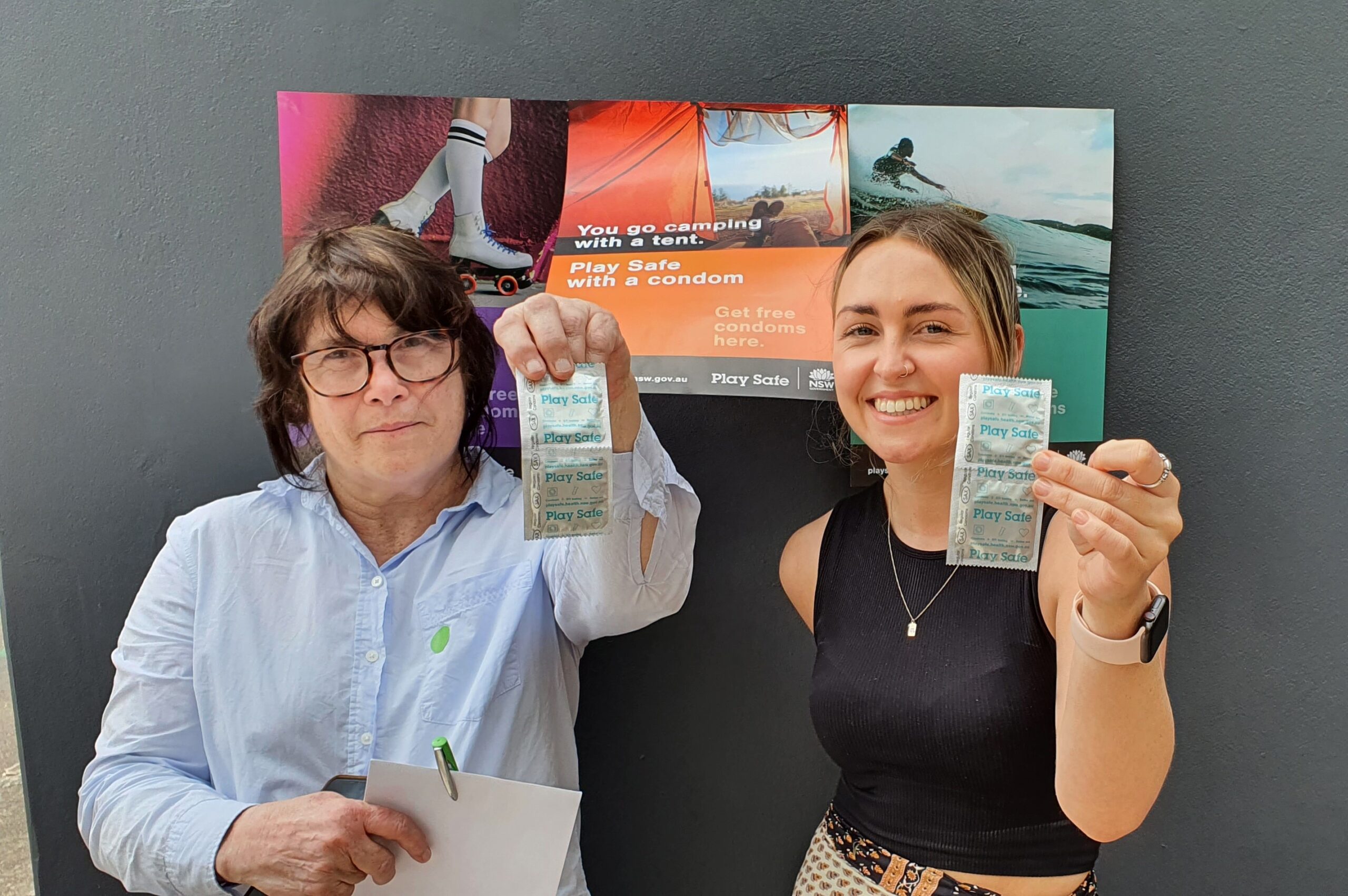
The best way to avoid getting an STI is by having safe sex. This means using a condom or dam when having any type of sex, including:
- vaginal sex
- anal sex
- oral sex.
What are condoms and dams?
Condoms and dams are used to reduce STI transmission by stopping the sharing of sexual fluids and reducing skin-to-skin contact with your sexual partner. There are three types of these barrier methods:
- male (external) condoms are worn over the penis and are very commonly used
- female (internal) condoms are worn inside the vagina
- dams are latex sheets placed between the mouth and vagina or anus during oral sex.
Male condoms are very easy to buy, and can be found at supermarkets, pharmacies and even fuel stations.
What are the symptoms of STIs?
Many STIs have no symptoms at all. Sometimes the symptoms can be very mild. The symptoms a person may have will depend on the type of STI they have and may include:
- pain or discomfort during sexual activity or urination
- sores, bumps, or rashes on or around the vagina, penis, testicles, anus, buttocks, thighs, or mouth
- unusual discharge or bleeding from the penis or vagina
- painful or swollen testicles
- itchiness in or around the vagina
- unexpected periods or bleeding after sexual activity.
For more information about the symptoms of STIs visit healthdirect.
How do I know if I have an STI?
The only way to know if you have an STI is by getting a test. You do not need symptoms to have an STI test.
How do I get an STI test?
You can get an STI test at your local doctor or sexual health clinic. STI testing is quick, easy and important for your health. You just need a urine sample, a swab or a blood test depending on the type of STI. Your test results are kept private and confidential.
Visit healthdirect or call the NSW Sexual Health Infolink on 1800 451 624 to find a doctor that is right for you. If you would like an interpreter, you can contact the Translating and Interpreting Service (TIS) first on 131 450.
Who should get tested?
You should get an STI test if you have had unprotected sex (without a condom or dam), if the condom broke or slipped off during sex or if you notice any unusual symptoms.
As many STIs don’t have any symptoms having a regular STI check every 6-12 months is important, especially when you have a new partner.
STIs are more common than you think. Check if you need an STI test by taking a quiz on the Play Safe website here or visit healthdirect’s Symptom Checker here.
What’s the treatment for STIs?
Most STIs are quick and easy to treat. The treatment will depend on the type of STI.
Antibiotics can be used to cure bacterial STIs including chlamydia, gonorrhoea, and syphilis. Antibiotics only work for the current infection, so it is important to use a condom or dam to prevent any future infection and necessary treatment.
You can recommence having sex seven days after you have completed the full course of antibiotics, to ensure the medication has worked and any sores have healed completely.
STIs caused by viruses, such as genital herpes and genital warts, cannot be cured with antibiotics, but treatment is available to help reduce your symptoms such as fever, itchiness, or painful blisters. Hepatitis B and HIV also cannot be cured with antibiotics, but medication is available to stay healthy and well.
For more information about treatment visit healthdirect.
If you test positive for an STI, it is important to let your partner/s know so they can get tested and treated too. Let Them Know is a free service that can anonymously notify at-risk partners by text or email for you.

 BACK
BACK